A pet travel safety checklist helps owners prepare the practical details before a trip: identification, health records, secure transport, food and water, medication, cleaning supplies and an emergency plan. Whether the journey is a short car ride or a longer holiday, preparation reduces avoidable stress and makes it easier to respond when plans change.
This guide focuses specifically on pet travel safety for dogs and cats. It is different from a first-aid checklist, which focuses on emergency supplies, and different from general outdoor-care content, which covers broader activity preparation. Here, the priority is safe transportation, packing, documentation and maintaining a familiar routine while away from home.
What Should Be on a Pet Travel Safety Checklist?
A useful pet travel safety checklist should cover five areas before departure: identification and documents, transportation safety, food and hydration, health and medication, and emergency readiness.
- Identification: collar tags, microchip information and an up-to-date photo.
- Documents: vaccination records, health certificates when required and destination-specific paperwork.
- Transport: a secure carrier, crate or restraint system appropriate for the pet.
- Daily supplies: food, water, bowls, waste bags, bedding and cleaning items.
- Health backup: regular medication, veterinary contact details and basic first-aid supplies.
The CDC recommends planning ahead, keeping pet identification current, checking vaccination status and reviewing destination requirements before travel. For international trips, country-specific entry rules may also apply.
1. Check Identification Before You Leave
Before a pet leaves its normal environment, confirm that identification information is current. A collar tag should use a phone number that will work during the trip. If the pet is microchipped, the linked contact details should also be up to date.
It is also useful to keep a recent photo of the pet on your phone. If a dog or cat becomes separated from the owner, clear identification can make recovery easier.
2. Confirm Travel Documents and Destination Rules
Travel requirements depend on where the pet is going and how it is traveling. Domestic trips may require fewer documents than international travel, while airlines, trains, ferries and hotels can have their own policies.
For international travel, USDA APHIS notes that destination countries set their own pet-entry requirements and that many countries require a health certificate. Travelers should check these requirements early rather than waiting until the final days before departure.
Useful documents can include:
- vaccination records;
- rabies documentation where applicable;
- health certificates when required;
- prescription or medication information;
- microchip details;
- emergency veterinary contact information.
3. Use a Secure Carrier or Restraint System
Pets should not move freely around a vehicle while it is in motion. The CDC recommends using an appropriate harness or carrier and securing crates so they do not slide when the vehicle stops.
Dogs riding in cars should stay safely restrained, while cats are generally better protected inside a secure carrier. The carrier should be large enough for the animal to stand, sit, lie down and turn around comfortably.
If a pet is not used to car travel, shorter practice trips before a longer journey can help owners understand how the animal responds.
4. Pack the Everyday Essentials Separately
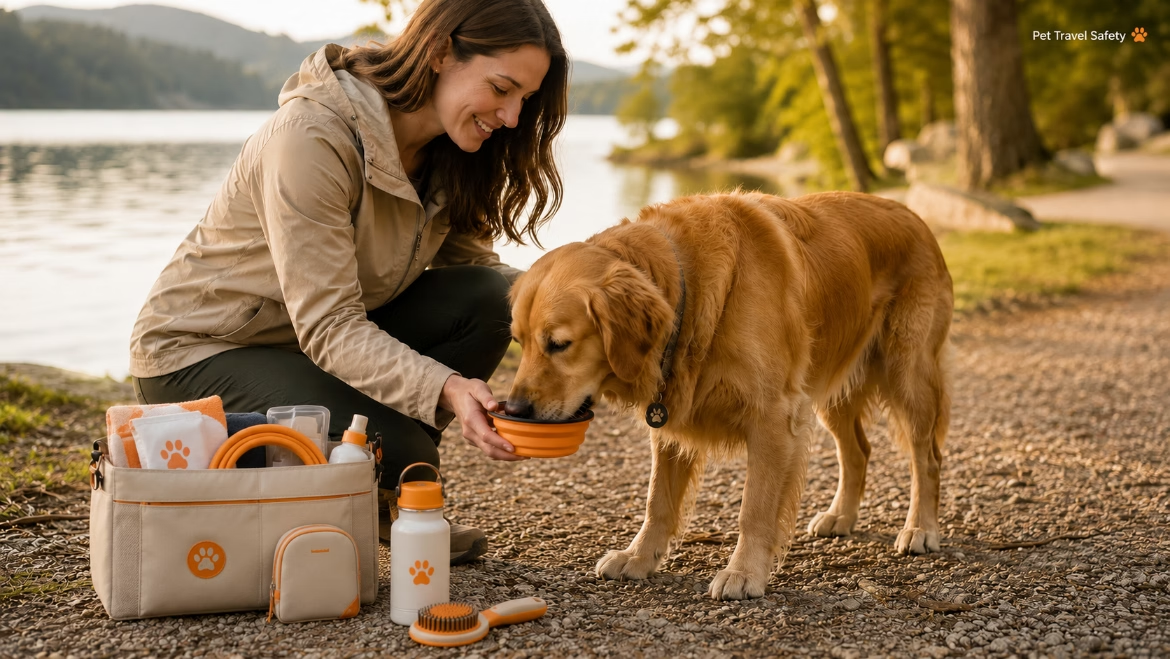
Pet owners often remember food but forget the small items that make travel routines easier. Packing everyday-care supplies in one dedicated bag helps avoid searching through luggage during stops.

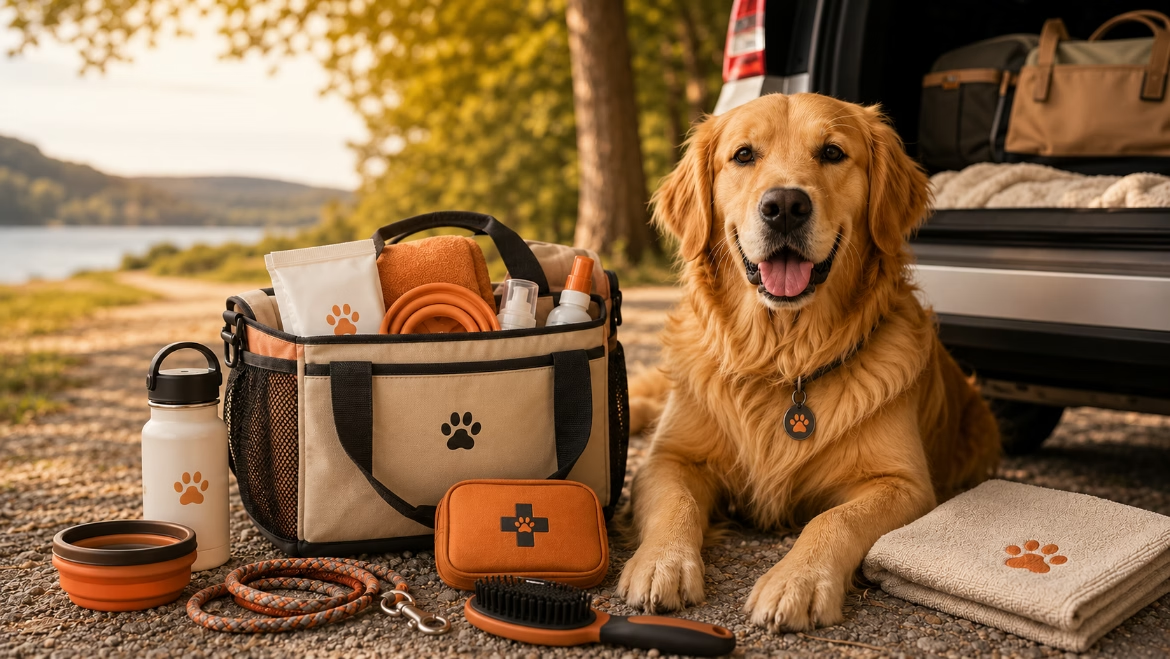
A practical travel bag may include:
- regular food and treats;
- drinking water and a portable bowl;
- leash, harness and waste bags;
- towel or absorbent cloth;
- grooming or cleaning supplies;
- regular medication;
- familiar bedding or a small comfort item;
- a compact emergency kit.
Xsure’s Pet Care Kits are organized around everyday care, travel readiness and emergency backup, making it easier for retailers and pet owners to group supplies by use case.
5. Keep Food, Water and Medication Consistent
Travel changes a pet’s routine, so familiar food and medication schedules matter. Sudden diet changes during a trip can create unnecessary problems, especially when the pet is already adjusting to a new environment.
Bring enough regular food and medication for the full journey, plus a reasonable backup amount when possible. Do not assume that the same brand or prescription will be easy to replace at the destination.
Water should also be easy to access throughout the trip. During long drives, regular stops give dogs a chance to drink, move and relieve themselves.
6. Plan for Heat, Cold and Parked Vehicles
Never leave a pet unattended in a parked vehicle. The CDC warns that vehicle temperatures can become dangerous very quickly in hot weather, while cold conditions can also create serious risk.
Travel plans should account for weather at both the departure point and destination. Owners may need additional water, cooling support, towels or warm bedding depending on the conditions.
7. Research Veterinary Care at the Destination
Before leaving home, save the contact information for a veterinary clinic near the destination. For longer trips, it is also useful to identify an emergency or 24-hour hospital in advance.
The CDC recommends keeping veterinary and emergency contact numbers accessible and performing a daily health check while away from home. Owners should pay attention to changes in appetite, energy, behavior, breathing, movement or bathroom habits.
If something seems wrong, local veterinary care should be contacted rather than waiting until the trip is over.
8. Keep a Compact Emergency Kit Accessible
A travel first-aid kit should be stored where it can be reached quickly, not buried under luggage. Basic emergency supplies can support immediate care while professional veterinary help is being arranged.
For a detailed list of emergency kit contents, use Xsure’s separate Pet First Aid Kit Checklist for Dogs & Cats. Keeping this information in a separate article prevents the travel guide from becoming another first-aid post and gives each topic a clearer search purpose.
You can also review Xsure’s First Aid Handbook for supporting care information.
Car Travel With Dogs and Cats
For Dogs
Use a secure harness, crate or other appropriate restraint system. Dogs should not sit on the driver’s lap, and allowing a dog to ride with its head outside the window can expose the eyes, ears and nose to debris.
For longer journeys, plan regular stops and keep the dog on a leash before opening vehicle doors.
For Cats
Cats should normally remain inside a secure carrier during travel. A familiar blanket or bedding can make the carrier feel less unfamiliar, and the carrier should stay securely positioned inside the vehicle.
A cat should not be allowed to move freely around the car because it can become frightened, distract the driver or escape when a door opens.
What Changes for Air or International Travel?
Air and international travel require more planning than a typical road trip. Airlines may have rules covering carrier dimensions, animal age, documentation, check-in procedures and whether the animal can travel in the cabin or cargo area.
International travel can also involve health certificates, vaccination requirements, import permits or other destination-specific steps. USDA APHIS recommends contacting a veterinarian early because requirements vary by country.
For pets with health conditions, short-nosed breeds or animals that do not tolerate travel well, owners should discuss the trip with a veterinarian before booking.
How Retailers Can Build a Better Pet Travel Care Assortment
Travel care is easier to merchandise when products are organized around a clear scenario rather than shown as unrelated accessories.
A practical B2B assortment can combine:
- hydration: portable bowls and travel water formats;
- cleaning: wipes, towels and basic grooming supplies;
- control: leash, carrier or restraint accessories;
- comfort: familiar bedding and easy-to-carry support items;
- emergency backup: compact first-aid and information kits.
Xsure organizes these use cases through its Care Scenarios and supports channel-specific product programs through OEM/ODM.
Pet Travel Safety FAQ
What should I pack when traveling with a dog?
Bring food, water, bowls, leash or harness, waste bags, regular medication, identification, vaccination or health documents when needed, cleaning supplies and a compact first-aid kit.
How do I keep a dog safe in the car?
Use an appropriate restraint system, keep the dog away from the driver’s lap and front-seat airbags, and stop regularly on longer journeys.
Should a cat stay in a carrier during car travel?
Yes. A secure carrier helps reduce escape risk, limits driver distraction and gives the cat a more controlled travel space.
Do pets need health certificates for travel?
It depends on the destination and mode of transport. International travel often requires more documentation, so owners should check official destination and carrier requirements early.
What is the difference between a pet travel checklist and a pet first-aid checklist?
A travel checklist covers transportation, documents, food, water, routines and packing. A first-aid checklist focuses specifically on emergency supplies and immediate care support.
Make Every Trip Easier to Manage
A clear pet travel safety checklist turns a long list of concerns into a manageable routine: identify the pet, confirm documents, secure transportation, pack familiar supplies and know where to get help.
Explore Xsure’s Pet Care Kits, browse the Resource Center, review Care Scenarios, or contact Xsure to discuss retail, distribution and private-label pet travel programs.