A pet first aid kit gives pet owners a practical way to respond during the first few minutes of an unexpected injury or emergency while professional veterinary care is being arranged. For retailers, distributors and private-label brands, it also creates a clear product story around preparedness, travel and everyday pet wellness.
This guide explains what a practical pet first aid kit should cover, how home and travel kits can differ, and what B2B buyers should consider when building a retail-ready assortment. It is educational information only and is not a substitute for veterinary diagnosis or treatment.
What Is a Pet First Aid Kit?
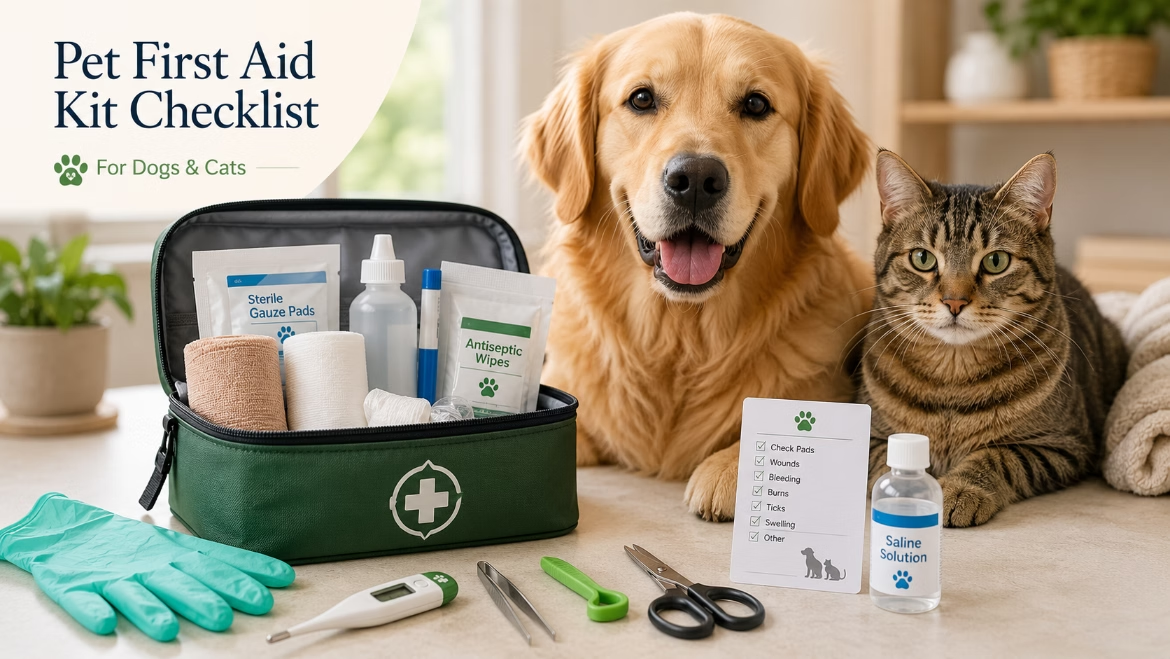
A pet first aid kit is a portable collection of basic supplies and emergency information designed to support immediate care before a veterinarian or emergency clinic can take over. Typical kits focus on protection, wound-covering materials, rinsing supplies, simple tools, restraint or transport support, and emergency contact information.
The American Red Cross recommends keeping basic pet first aid supplies accessible and notes that smaller kits can be useful for travel, hiking or camping. The American Veterinary Medical Association also advises pet owners to consult their veterinarian when developing a first aid kit because individual needs can vary.
For buyers who want a ready-made structure rather than building from scratch, Xsure organizes emergency-readiness products within its Pet Care Kits portfolio and supports different usage levels for shorter outings and more complete travel preparation.
What Should Be in a Pet First Aid Kit?
A practical kit should be easy to understand under pressure. Instead of treating it as a long list of unrelated items, it helps to group the contents by function.
1. Personal Protection
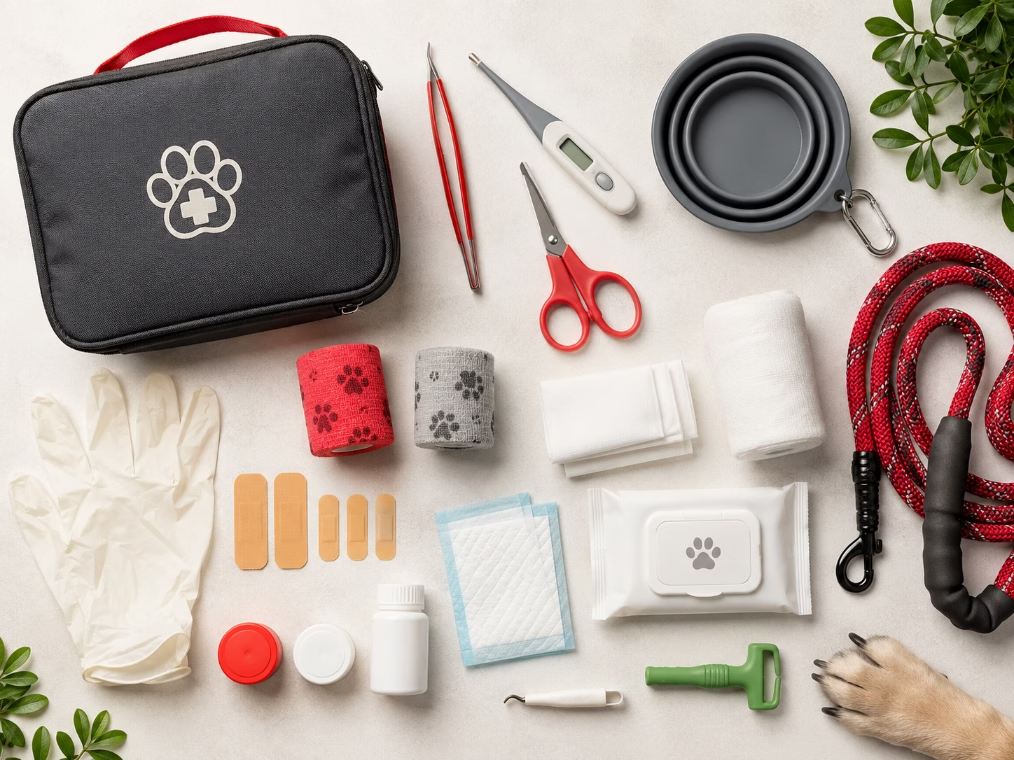
Non-allergenic or disposable gloves help create a cleaner barrier when handling wounds or bodily fluids. A clean cloth or towel can also be useful for basic handling and temporary pressure.
2. Wound-Covering Materials
Sterile gauze, non-adherent pads, gauze rolls and bandage tape are common first aid basics. The goal is not to replace veterinary wound care, but to provide simple materials that can help protect an area during transport to professional care.
3. Rinsing Supplies and Basic Tools
Sterile saline, tweezers and bandage scissors are frequently included in pet first aid references. These items are compact, familiar and relatively easy to organize inside a portable kit.
4. Safe Transport and Restraint
An injured or frightened pet may behave differently from normal. A leash, harness, carrier or other safe transport plan can be as important as the medical supplies themselves. The Red Cross specifically recommends keeping sturdy leashes, harnesses and/or carriers with emergency supplies.
5. Emergency Information
A useful pet emergency kit should include the owner’s regular veterinarian, the nearest after-hours emergency clinic, important medical information and an up-to-date identification photo. This information can save time when the pet is stressed or the owner is away from home.
6. Travel and Evacuation Backup
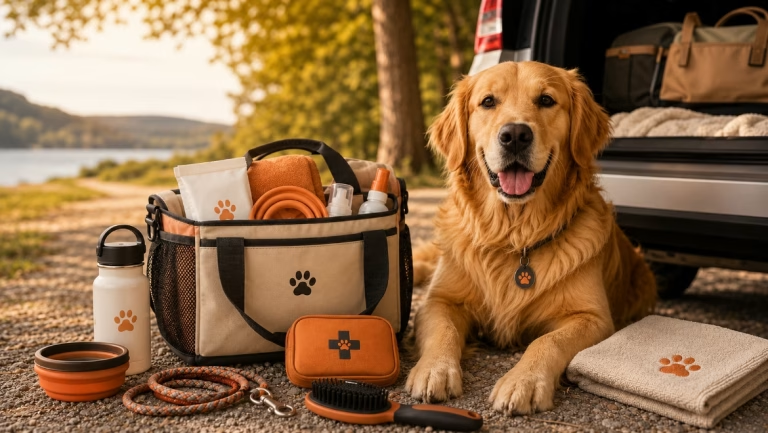
For longer trips, disaster readiness or outdoor use, first aid supplies should sit within a broader emergency plan. Drinking water, bowls, regular medications, copies of medical records and identification information may all be relevant depending on the use case.
Home Kit vs. Travel Kit: What Changes?
The best pet first aid kit is not necessarily the largest one. It is the kit that fits the situation.
- Home readiness: can support a broader range of supplies because storage space is less limited.
- Walks and day trips: benefit from a compact, lightweight format that owners can actually carry.
- Car travel: allows a slightly larger kit with additional backup items and emergency information.
- Camping and outdoor use: usually needs greater emphasis on portability, transport, visibility and broader emergency preparedness.
Xsure reflects this difference through two first-aid readiness levels: a compact Go-To First Aid Kit for walks, car travel and active outdoor moments, and a broader Complete Care First Aid Kit for longer trips, camping and more complete backup use. Buyers can also review Xsure’s First Aid Handbook for supporting care information.
Why Retailers Should Think Beyond the Item List
For a consumer, a first aid kit is about preparedness. For a retailer or distributor, the product also has to be easy to compare, merchandise and explain.
A stronger retail program usually answers four questions clearly:
- Who is the kit for? Dog owners, cat owners or multi-pet households?
- Where will it be used? Home, travel, outdoor activity or emergency backup?
- How complete is it? Compact essentials or a broader readiness level?
- What guidance is provided? Are the contents and intended uses easy for the buyer to understand?
This is why educational materials matter. A kit supported by clear guides, product information and care resources is easier for sales teams and shoppers to understand. Xsure’s Resource Center is designed to support that product-education layer.
How Private-Label Brands Can Build a Pet First Aid Kit Program
A private label pet first aid kit should start with the market and use case rather than packaging alone. The assortment, kit size, instructions and visual presentation should work together as one program.
Step 1: Define the Use Case
Decide whether the priority is everyday backup, short travel, car storage, outdoor activity or a more complete emergency-readiness position.
Step 2: Build the Assortment
Select the contents and kit level around the intended channel. A compact e-commerce or checkout-ready kit may have different requirements from a larger outdoor or travel program.
Step 3: Review Packaging and Guidance
Bag size, color, organization, labeling and user guidance should make the product easier to understand. Xsure’s OEM/ODM program supports product mix, packaging and presentation decisions by project.
Step 4: Support the Launch with Education
Product pages, comparison content, user guides and FAQs help distributors and retailers explain the program consistently across online and offline channels.
How Often Should a Pet First Aid Kit Be Checked?
A pet first aid kit should be reviewed regularly. Used supplies should be replaced, expiration dates should be checked, emergency contact details should stay current, and any regular medications should follow veterinary instructions. The Red Cross also recommends checking first aid kits regularly and replacing used or out-of-date contents.
Pet First Aid Kit FAQ
What is the most important thing in a pet first aid kit?
There is no single item that covers every emergency. A useful kit combines basic protective and wound-care supplies with a safe transport plan and current veterinary contact information.
Do dogs and cats need different first aid kits?
Many basic supplies overlap, but handling, transport and individual medical needs can differ. Pet owners should ask their veterinarian about species-specific or pet-specific additions.
Should a pet first aid kit include medication?
Only include or use medication according to veterinary guidance. Dosage and suitability can vary by species, weight, condition and other factors.
Where should a pet first aid kit be kept?
Keep the main kit in an easy-to-reach location at home. A smaller travel kit can be stored with walking, car, camping or travel supplies.
Can retailers create private-label pet first aid kits?
Yes. Private-label programs can be built around different use cases, kit levels, packaging formats and educational materials. Xsure supports distributors, retailers, e-commerce brands and private-label teams through its OEM/ODM process.
Build a Clearer Pet Emergency-Readiness Program
A good pet first aid kit is practical, portable and easy to understand. For B2B buyers, the strongest programs also connect the product assortment with clear use cases, packaging and education.
Explore Xsure’s Pet Care Kits, review the First Aid Handbook, or contact Xsure to discuss retail, distribution or private-label requirements.