Pet First Aid Guide For Home And Travel.
Use this pet first aid guide as a structured reference for vital signs, safe handling, emergency transport, CPR basics and common emergency topics for dogs and cats.


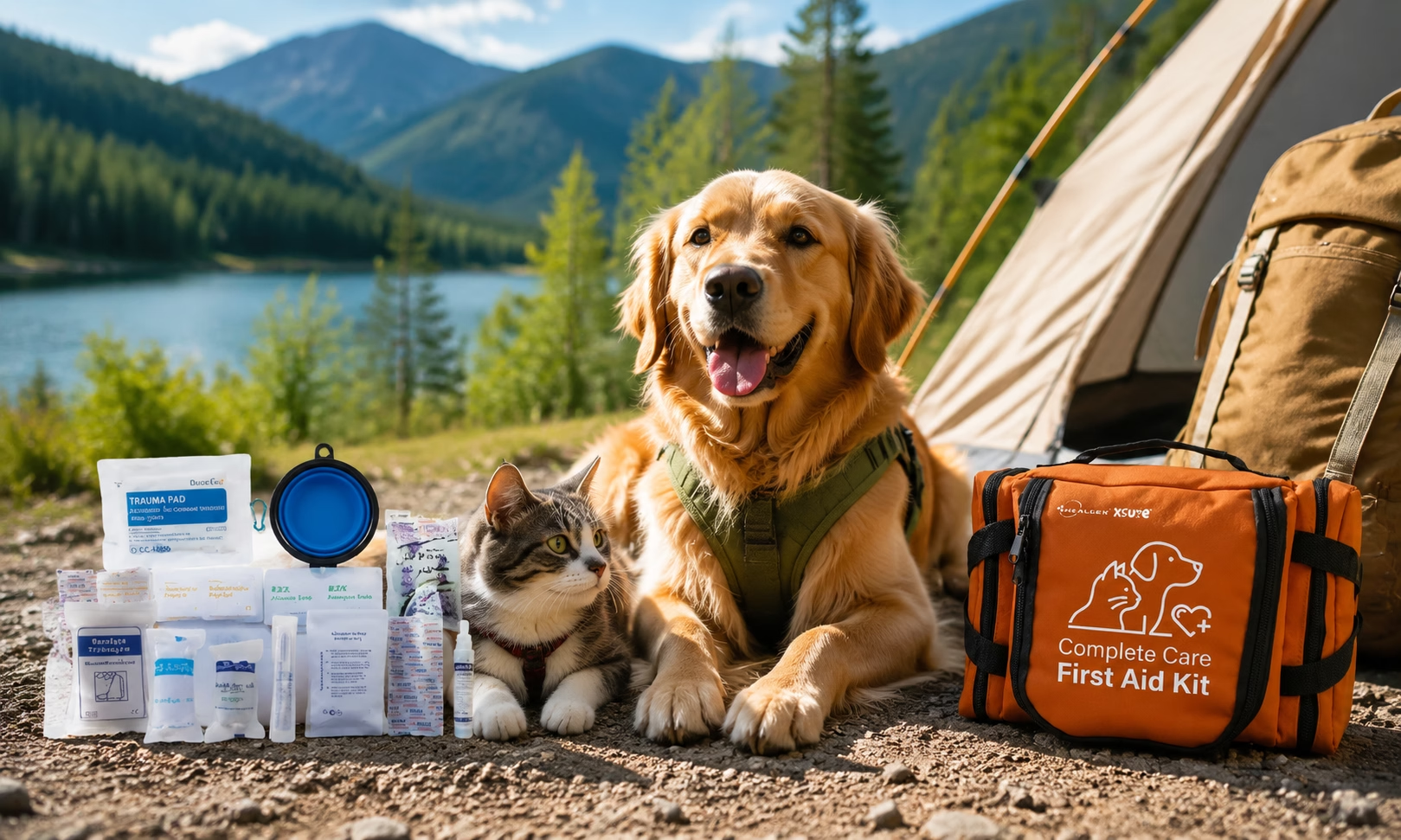
First Aid Is Preparedness, Not A Replacement For Veterinary Care
The handbook is designed to help pet owners recognize important signs, respond carefully and seek veterinary support when needed.
Stay Informed
Emergency care procedures may change over time, so pet owners should stay informed and consult current veterinary guidance.
Approach With Caution
Sick or injured pets may become aggressive when they are scared, sick or in pain. Approach slowly and avoid direct eye contact.
Seek Veterinary Help
For serious symptoms, traumatic injury, shock, poisoning, persistent bleeding or abnormal vital signs, seek veterinary support immediately.
Know What Is Normal For Your Pet
The handbook highlights the importance of recognizing normal temperature, breathing rate, heart rate and pulse rate before an emergency happens.
160–220 BPM
All sizes: 160–220 BPM. Smaller dogs may have faster heart rates than larger dogs.
100–160 BPM
Small dogs under 30 lbs. or 13.6 kg: 100–160 BPM.
10–30 BPM
Reference breathing rates vary by size. Small pets may show 20–30 breaths per minute; larger pets 10–30 breaths per minute.
100.2–102.8°F
The handbook lists normal temperature ranges around 100.2°F–102.8°F depending on pet size.
Move Carefully And Keep The Pet Calm
Safe handling helps reduce risk for both the pet and the person providing care.
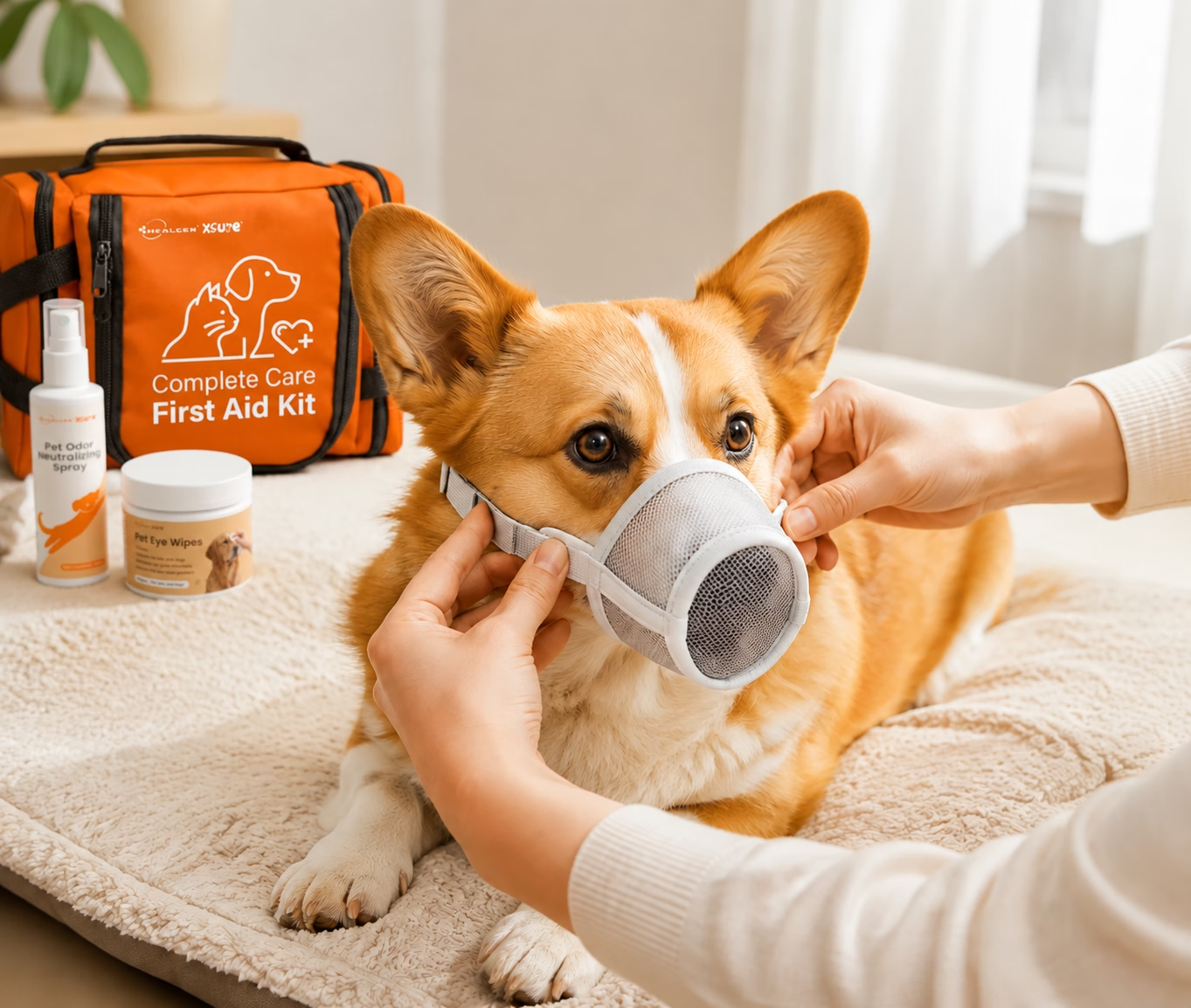 Safe Handling
Approaching An Injured Pet
Approach slowly, stoop down, allow the pet to smell the back of your hand, speak softly and avoid making direct eye contact.
Muzzling
Muzzle a sick or injured pet only if it is safe to do so. Never muzzle a pet that is vomiting, coughing or having difficulty breathing.
Transporting
Moving an injured pet must be done with care to avoid worsening the problem or causing more pain.
- Carrier
- Flat board
- Stretcher
- Keep broken legs supported
- Support the pet’s back
- Allow a comfortable position when possible
Airway, Breathing And Circulation
Only perform CPR if your pet is not breathing. Do not attempt CPR on a conscious animal.
Airway
Lay the animal on its side. Open the airway by gently extending the head and neck, then open the mouth, pull out the tongue and clear debris if needed.
Breathing
Hold the pet’s mouth shut, place your mouth over the pet’s nose and blow just enough to make the chest rise. Repeat several times, then check breathing.
Circulation
If there is no pulse or heartbeat, perform chest compressions and alternate with breathing. Check for pulse after each set of compressions.
Common Emergency Situations Covered In This Pet First Aid Guide
This pet first aid guide organizes emergency reference topics so pet owners can quickly understand what to watch for and when to seek veterinary help.
Bites & Stings
Spider bites, bee stings and snake bites may involve pain, swelling, redness, drooling or shock signs.
Seek veterinary help when severeBleeding
Use gloves, hold gauze over the bleeding site and apply direct pressure. Seek help if bleeding does not stop.
Direct pressureBurns
Rinse the area with cool water and avoid ointments, butter or petroleum jelly. Serious burns require veterinary help.
Cool water rinseChoking
Watch for gagging, retching, coughing, breathing difficulty and anxiety. Avoid pushing objects deeper into the throat.
Prepare for emergency careDehydration
Look for sunken eyes, pale or dry gums, weakness or lethargy. Skin behind the neck should spring back quickly.
Check skin responseHeatstroke
Watch for high body temperature, excessive panting, bright red tongue or gums and inability to move.
Cool area immediatelyHypothermia
Low temperature, shivering, weak pulse and pale or blue gums may indicate hypothermia.
Warm carefullyInjury
Sprains, strains, fractures, dislocations and traumatic injury require calm handling and veterinary evaluation.
Avoid rough movementPoisoning & Shock
Call a veterinarian or poison control center for poisoning. Shock is life-threatening and requires immediate help.
Immediate supportPet First Aid Pocket Handbook
Download the pet first aid guide to keep a practical emergency reference available for home care, travel and outdoor activity.

Pet First Aid Pocket Handbook
The pet first aid guide includes field notes, vital signs, safe handling, transport, CPR basics, emergency topics and emergency information fields for dogs and cats.