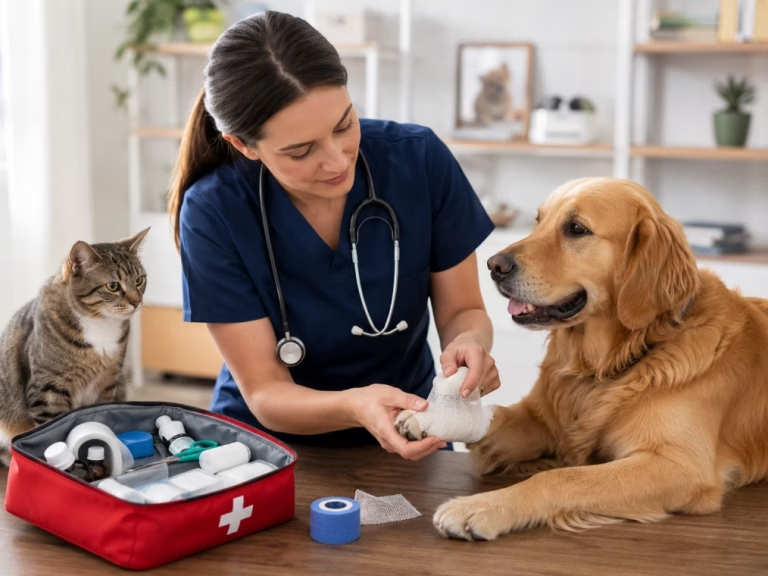
Pet dental care at home is one of the simplest ways to support cleaner teeth, fresher breath and better long-term oral wellness between veterinary visits. A useful routine does not need to be complicated: start with regular toothbrushing, choose pet-safe oral-care products, watch for changes in the mouth, and ask a veterinarian when something looks unusual.
This guide focuses on everyday pet dental care at home for dogs and cats. It is intentionally different from our emergency-readiness content: this article is about daily oral hygiene and prevention, not first-aid kits or emergency response.
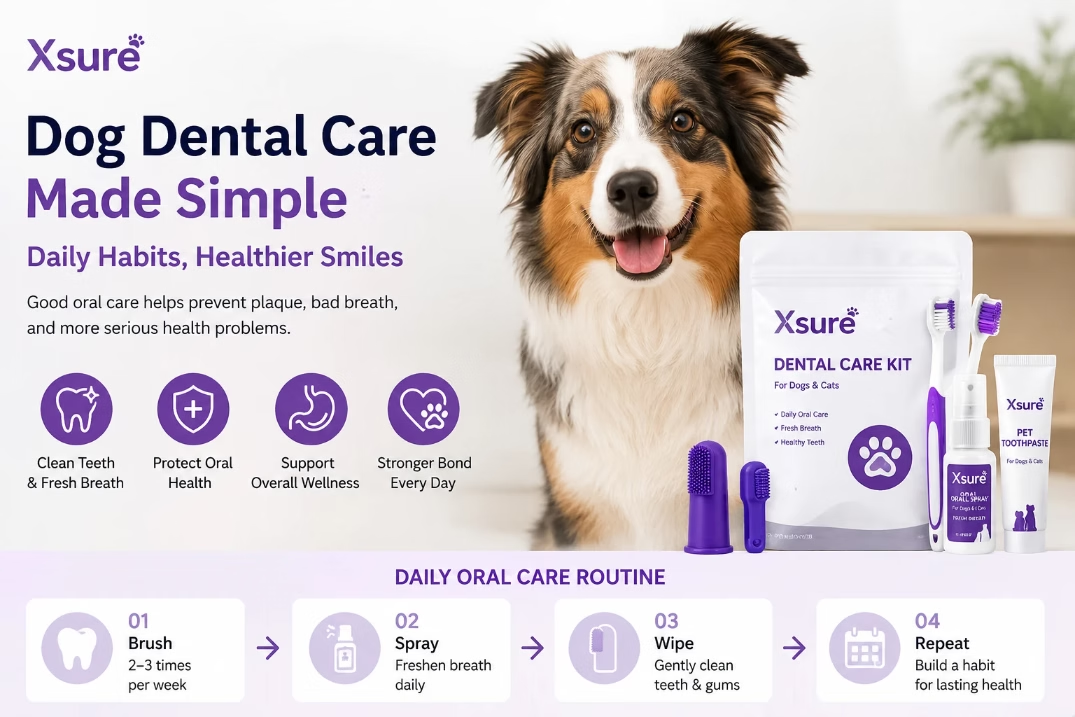
Why Pet Dental Care at Home Matters
Dental problems can develop gradually, which is why routine home care matters even when a pet appears comfortable. The American Veterinary Medical Association notes that regular toothbrushing is the most effective at-home action owners can take to support oral health between professional dental cleanings.
Daily brushing is ideal when a pet tolerates it, although several times per week can still be useful. The most important point is consistency. A routine that owners can repeat is more practical than an occasional intensive cleaning attempt.
For brands and buyers building everyday oral-care assortments, Xsure groups these routines within its Oral Wellness category alongside broader preventive pet-care programs.
What Does a Simple Pet Oral Care Routine Look Like?
A strong routine usually combines four elements: regular cleaning, pet-safe products, observation and professional support when needed.
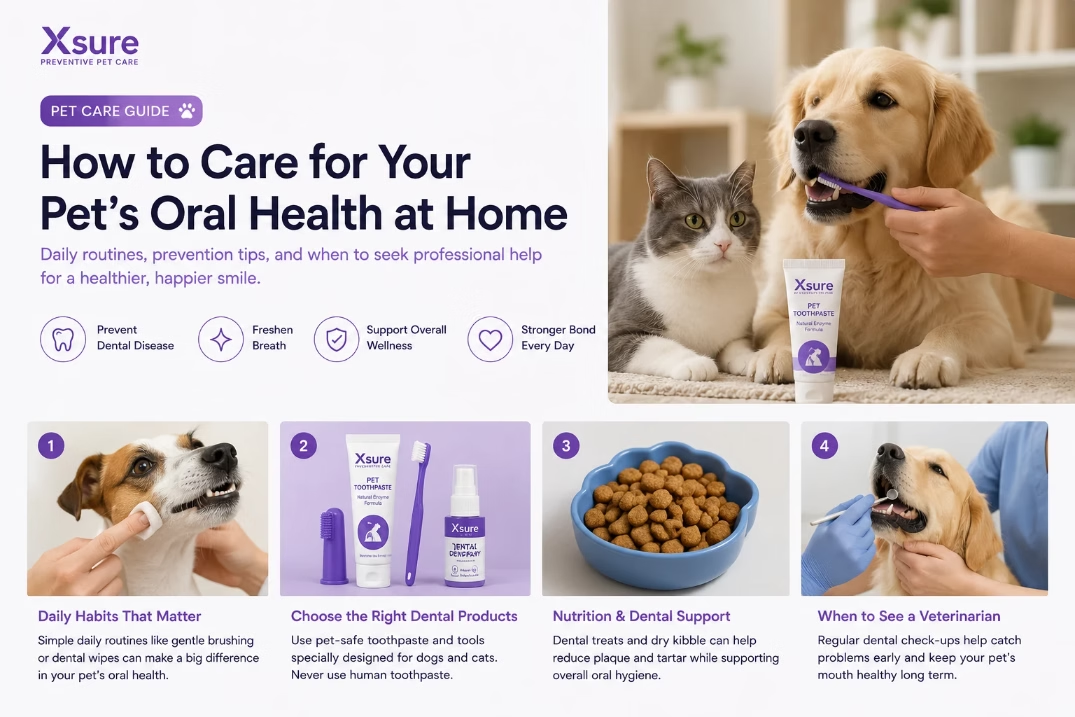
1. Start With Gentle Toothbrushing
Brushing physically disrupts plaque before it has more time to build up. Use a pet-appropriate toothbrush or finger brush and a toothpaste made specifically for pets. Human toothpaste should not be used for dogs or cats.
New pets may need time to accept the routine. Start by letting the pet become familiar with gentle handling around the mouth, then gradually introduce the brush. Short, calm sessions are usually easier to repeat than trying to complete a long cleaning on the first attempt.
2. Choose Pet-Safe Oral-Care Products
Not every product marketed for dental care works the same way. Toothbrushes, finger brushes, wipes, sprays, chews and water-based formats all have different use patterns.
A practical rule is to treat these products as tools that support a routine—not automatic replacements for veterinary care. If a pet already has painful gums, loose teeth, strong persistent odor, bleeding or difficulty eating, product selection should come after professional evaluation.
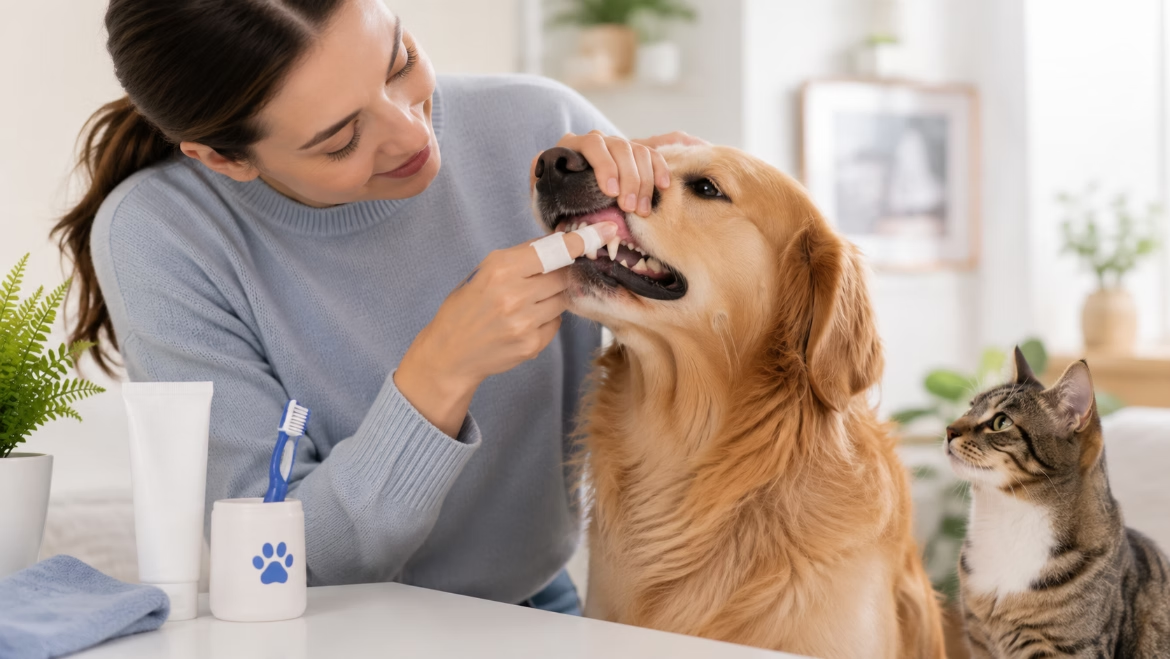
3. Make Oral Care Part of an Existing Routine
Habit design matters. Pet owners are more likely to continue oral care when it is attached to something already familiar, such as evening grooming, a regular feeding schedule or a calm post-walk routine.
For dogs, many owners find that brushing several times a week becomes manageable once the pet learns what to expect. Cats may require more patience and gradual conditioning. The goal is not speed; the goal is a low-stress routine that can continue over time.
4. Watch for Changes, Not Just Tartar
Oral health is more than visible tooth color. Owners should pay attention to persistent bad breath, red or swollen gums, bleeding, difficulty chewing, pawing at the mouth, loose teeth or changes in appetite.
These signs do not tell you exactly what the problem is, but they are useful reasons to contact a veterinarian rather than relying only on home-care products.
How Often Should You Brush a Pet’s Teeth?
Daily brushing is the preferred goal for pet dental care at home, but brushing several times per week can still be effective when daily brushing is not realistic. The best schedule is the one the owner can maintain safely and consistently.
Rather than focusing only on a perfect number, use these practical guidelines:
- Daily: best when the pet is comfortable with brushing.
- Several times per week: a realistic routine for many households.
- Occasional brushing: better than nothing, but less useful as a preventive habit.
- Professional dental care: still important when recommended by a veterinarian.
Dog Dental Care at Home vs. Cat Dental Care at Home
The core principles are similar, but the experience can be different.
For Dogs
Many dogs can gradually learn to accept a toothbrush or finger brush, especially when oral care is introduced with calm handling and positive reinforcement. For active dogs, portable oral-care formats can also fit travel and grooming routines.
For Cats
Cats may be more sensitive to mouth handling, so shorter sessions and slower introductions are often helpful. If a cat strongly resists or shows signs of discomfort, owners should not force the process.
Whether the pet is a dog or cat, a veterinarian can help determine which home-care products and routines are suitable for that individual animal.
What Should Retailers Look for in a Pet Oral Wellness Program?
For retailers, distributors and private-label partners, oral care works best when the product assortment is easy for shoppers to understand. A useful program often combines several clear use cases rather than presenting many disconnected products.
- Brush-to-Clean: toothbrushes, finger brushes and pet-safe toothpaste.
- Wipe-to-Clean: convenient formats for simple daily or travel routines.
- Drink-to-Care: products designed to fit an everyday water-based routine.
- Chew-to-Clean: formats that connect oral care with normal chewing behavior.
Xsure’s Oral Wellness portfolio is structured around everyday use moments, while the OEM/ODM program supports product mix, packaging and presentation for different channels.
How Oral-Care Education Supports Better Product Use
Oral-care products are easier to use correctly when the owner understands what each format is for. Clear product information, user guidance and simple routines can reduce confusion and help customers make better choices.
This is also useful for B2B buyers. A retailer does not only need a product; it needs a clear explanation that store teams and consumers can understand. Xsure’s Resource Center supports that education layer with product information and care materials.
Common Pet Dental Care Mistakes to Avoid
Using Human Toothpaste
Human toothpaste is not designed for pets. Use products made for dogs or cats and follow veterinary guidance when choosing oral-care products.
Waiting Until There Is a Visible Problem
Home dental care works best as a preventive routine. Waiting until the gums are painful or the pet has difficulty eating can mean the problem already needs professional attention.
Trying to Force the Routine
Oral care should be introduced gradually. Forcing a resistant or painful pet can make future handling more difficult and may create unnecessary stress.
Assuming One Product Replaces Everything Else
Sprays, wipes, chews and other products may support a routine, but they do not replace professional assessment when dental disease is present.
Pet Dental Care at Home FAQ
What is the best way to clean a dog’s teeth at home?
Regular brushing with a pet-safe toothbrush and toothpaste is the most effective home-care method. Introduce brushing gradually and aim for a schedule the dog can tolerate consistently.
How often should I brush my dog’s teeth?
Daily brushing is the preferred goal, but several times per week can still be useful when daily brushing is not possible.
Can I use human toothpaste on my pet?
No. Use toothpaste made for pets and ask a veterinarian if you are unsure which product is appropriate.
Do dental sprays or wipes replace brushing?
They can support an oral-care routine, but they should not automatically be treated as equivalent to brushing or veterinary dental care.
When should a pet see a veterinarian for dental problems?
Contact a veterinarian if you notice persistent bad breath, bleeding or swollen gums, loose teeth, difficulty chewing, mouth pain, changes in appetite or other concerning changes.
Build a More Consistent Oral Wellness Routine
Pet dental care at home works best when it is simple enough to repeat. Start with gentle brushing, choose pet-safe products, watch for changes and keep veterinary care as part of the overall plan.
Explore Xsure’s Oral Wellness solutions, browse the Resource Center, or contact Xsure to discuss retail, distribution or private-label oral-care programs.