An everyday pet care routine helps owners keep small care tasks simple, repeatable and easier to manage before they become larger concerns. For dogs and cats, that routine usually includes basic cleaning, grooming, oral wellness, comfort support, observation and regular veterinary care.
This guide focuses on everyday pet care routine planning. It is intentionally separate from emergency first aid, dental-only care and travel-safety content, so each article serves a different search intent and supports a clearer SEO topic cluster.
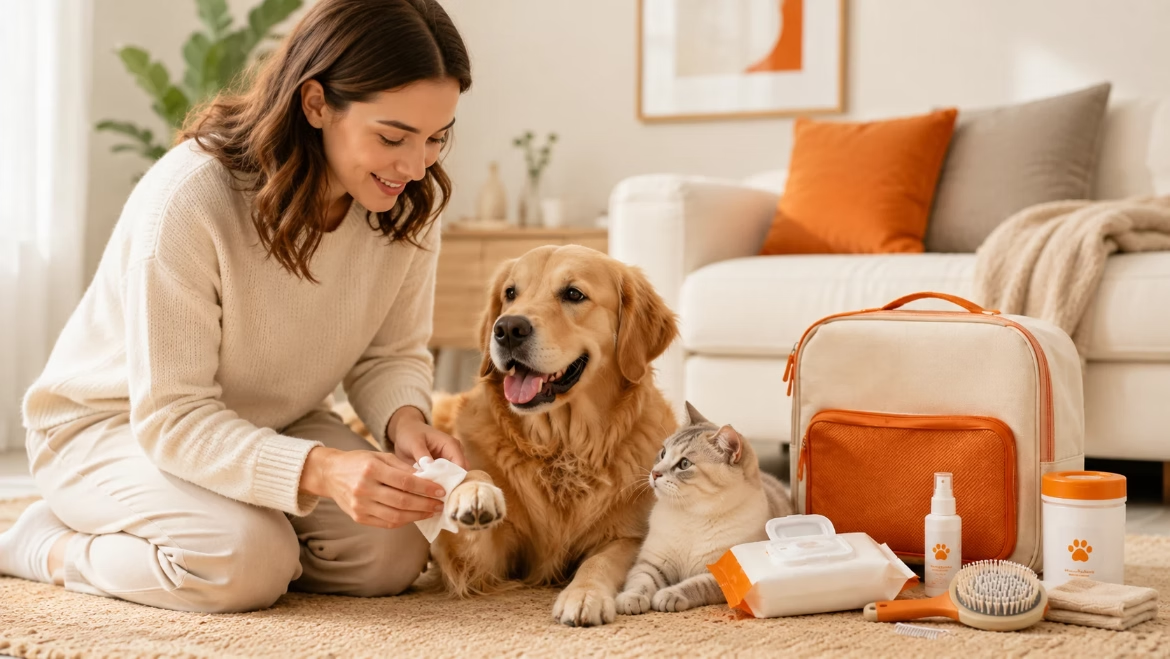
What Is an Everyday Pet Care Routine?
An everyday pet care routine is a repeatable set of small habits that support cleanliness, comfort and general wellness at home. It does not replace professional veterinary care. Instead, it helps owners notice changes earlier and maintain simple care between appointments.
A practical routine can include:
- eye, ear, paw and coat cleaning;
- regular brushing and grooming;
- oral-care habits;
- checking skin, nails and general comfort;
- fresh water, balanced feeding and activity;
- watching for changes in behavior, appetite or movement.
Xsure groups these everyday-use moments into a broader Care Scenarios structure so daily care, comfort support, oral wellness and emergency readiness can be explained as separate but connected needs.
Why Preventive Pet Care Starts With Small Habits
Preventive care is easier to maintain when it is built into normal routines rather than treated as a special task. A quick paw clean after a walk, a short brushing session or a regular visual check can become part of everyday life.
These habits also give owners more chances to notice changes. A new skin irritation, unusual odor, reduced appetite or discomfort during grooming may be easier to spot when the owner already has a normal baseline for the pet.
1. Keep Eyes, Ears and Paws Clean
Daily cleaning does not need to be intensive. The goal is to remove visible dirt, reduce buildup and keep sensitive areas comfortable.
Eye Area
Use gentle pet-appropriate cleaning materials and avoid rubbing the eye itself. If discharge becomes persistent, changes color or is accompanied by redness or swelling, contact a veterinarian.
Ears
Check the outer ear for dirt, odor or irritation. Do not insert tools deeply into the ear canal. Recurring odor, redness or head shaking can be signs that professional assessment is needed.
Paws
Paws can collect dust, mud, grass residue and other debris after walks. A quick wipe and visual check can help owners notice cracked pads, cuts, swelling or foreign material.

2. Brush the Coat on a Consistent Schedule
Coat care depends on breed, coat type and lifestyle, but regular brushing is useful for many dogs and cats. It helps remove loose hair, makes tangles easier to manage and gives the owner a chance to look at the skin.
During brushing, check for:
- redness or irritation;
- new lumps or bumps;
- areas of hair loss;
- ticks or other external parasites;
- pain when a specific area is touched.
Long-haired pets may need more frequent grooming, while short-haired pets may need less. The most useful schedule is one that matches the individual animal.
3. Make Oral Wellness Part of Daily Care
Oral wellness should be part of the broader routine, but it deserves its own more detailed care plan. Regular toothbrushing with pet-safe products is one of the most useful home-care habits for dental hygiene.
For a complete oral-care routine, see Xsure’s separate guide on Pet Dental Care at Home. Keeping detailed dental advice in its own article helps avoid keyword overlap while still supporting the daily-care topic.
Retail and private-label buyers can also explore Xsure’s Oral Wellness category for different care formats and use cases.
4. Check Nails, Skin and General Comfort
Preventive care includes observing how the pet feels during normal handling. If nails become too long, movement can become less comfortable. If skin becomes dry, irritated or inflamed, the pet may lick or scratch more than usual.
Owners do not need to diagnose the cause themselves. The useful habit is noticing that something has changed and deciding when veterinary advice is appropriate.
5. Maintain Food, Water and Activity Routines
Good everyday care goes beyond grooming products. Consistent access to fresh water, an appropriate diet and regular movement are part of basic wellness.
Sudden changes in appetite, thirst, activity or bathroom habits can be useful warning signs. If those changes persist or are significant, owners should contact a veterinarian.
6. Build a Small Daily-Care Kit
Keeping commonly used items together makes routine care easier to repeat. A simple home-care kit might include wipes, a grooming brush, towel, comb and other basic care products that match the pet’s needs.
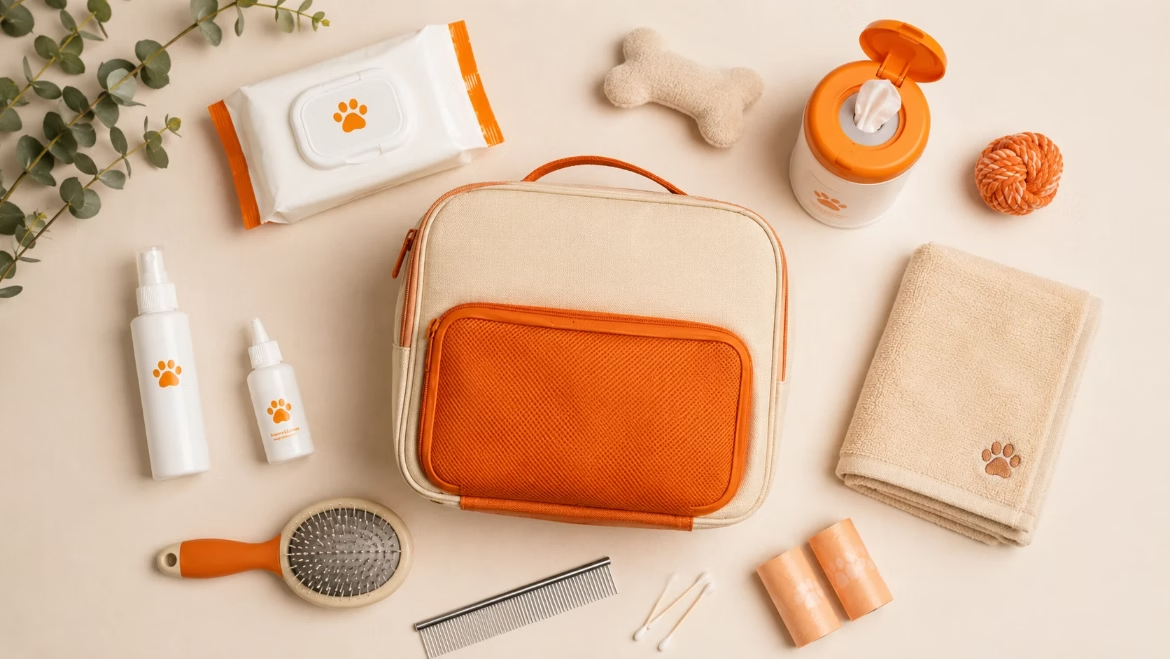
Xsure’s Pet Care Kits are built around practical everyday-care, comfort and readiness scenarios. For B2B buyers, organizing products by use case is often easier to understand than presenting a long list of unrelated accessories.
7. Use Comfort-Focused Care for Sensitive Pets
Some pets need a slower approach to grooming and cleaning. New pets, older animals and pets recovering from veterinary visits may respond better to calm handling, shorter sessions and familiar routines.
Xsure’s broader care journey includes Comfort & Recovery as a separate scenario because routine care is not only about cleanliness—it is also about reducing unnecessary stress.
What Changes for Dogs and Cats?
For Dogs
Dogs often need more paw cleaning after outdoor activity and may tolerate scheduled brushing or grooming more easily when routines are introduced consistently.
For Cats
Cats are often highly self-grooming, but owners should still watch coat condition, ears, eyes, nails and changes in behavior. Some cats prefer shorter handling sessions and may be more sensitive to forced grooming.
In both cases, the routine should match the animal rather than following a one-size-fits-all schedule.
How Often Should Everyday Pet Care Be Done?
There is no single frequency for every care task. A practical schedule depends on the pet, coat type, activity level and health needs.
- Daily: general observation, food, water, activity and quick cleaning as needed.
- Several times per week: brushing or oral care depending on the pet.
- Weekly: closer checks of ears, nails, skin and grooming needs.
- As recommended: veterinary exams, professional grooming and dental care.
When Should Home Care Stop and Veterinary Care Start?
Home care is useful for routine maintenance, but it should not delay professional assessment when the pet shows signs of pain, infection, persistent bleeding, repeated vomiting, breathing difficulty, major appetite changes, severe lethargy or other concerning symptoms.
If an immediate emergency occurs, use Xsure’s separate Pet First Aid Kit Checklist for emergency-readiness planning and contact a veterinarian or emergency clinic as quickly as possible.
How Retailers Can Merchandise Everyday Pet Care More Clearly
Daily-care products are easier for shoppers to understand when they are grouped around familiar routines.
A practical retail structure can include:
- Clean: wipes and basic cleaning products;
- Groom: brushes, combs and coat-care accessories;
- Comfort: gentle-care products and support items;
- Oral: brushing, chew and drink-based oral-care formats;
- Ready: compact kits for travel and emergency backup.
For distributors, retailers and private-label teams, Xsure’s OEM/ODM program supports product mix, packaging and presentation by project.
Everyday Pet Care FAQ
What are the most important everyday pet care tasks?
Basic daily care usually includes feeding, fresh water, activity, simple cleaning, grooming, observation and maintaining a comfortable home routine.
How often should I groom my pet?
Frequency depends on coat type, breed and lifestyle. Some pets benefit from daily brushing, while others only need a few sessions per week.
Do cats need daily care if they groom themselves?
Yes. Cats still benefit from regular observation, nail checks, coat care, oral wellness and monitoring for changes in appetite, behavior or comfort.
What products belong in an everyday pet care kit?
Common items include wipes, a towel, brush, comb and other pet-safe cleaning or grooming products appropriate for the individual animal.
When should I call a veterinarian instead of using home-care products?
Contact a veterinarian when symptoms are persistent, painful, severe or unusual, or when the owner is unsure whether routine home care is appropriate.
Build a Routine That Is Easy to Repeat
A good everyday pet care routine should feel simple enough to maintain. Small, consistent habits—cleaning, grooming, oral wellness, observation and comfort-focused handling—can help owners keep pet care organized between professional visits.
Explore Xsure’s Pet Care Kits, Oral Wellness, Resource Center and Care Scenarios, or contact Xsure to discuss retail, distribution and private-label pet wellness programs.